
I got my editorial letter! This is the second editorial letter I have received in my life, but I don’t remember if I talked about it or explained it back when Hellbound was almost close to almost being considered for publication. That version of events is too depressing to talk about anyway, so I thought I’d do a post about editorial letters that is positive and happy! But then I remembered John Green already did a great explanation of editorial letters about thirteen years ago on his YouTube channel.
(Speaking of YouTube, I have released two new videos since my last post.)
Everyone can help me thank John Green for saving me time by watching this video (don’t worry it’s short):
That being said, I wanted to explain the editorial process in broad terms real quick. You see, editing a book is an upside-down pyramid. It starts with broad strokes, big sweeping changes, and generalized feedback. Then it moves on (when your editor is satisfied that it can move on) to narrower, more focused changes.
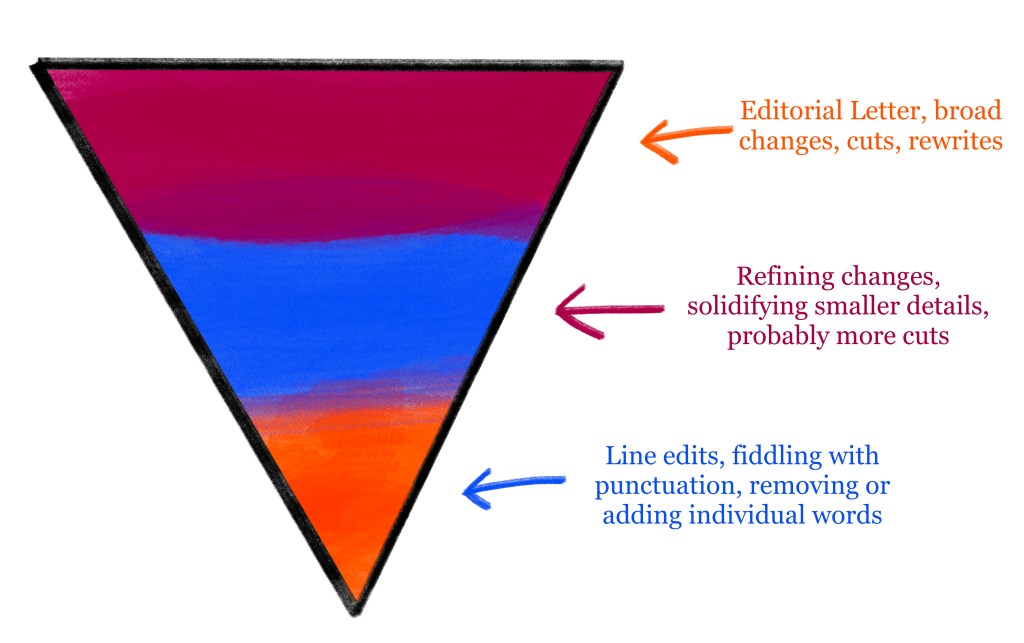
A lot of people imagine book editing as the editor getting out their red pen (or writing utensil of choice) and marking up the manuscript. But you can’t do that for the first edit because the markup would literally coat the text of the book itself. This would inevitably lead to a mental breakdown on the part of the author, and while we authors are quite familiar with the art of the mental breakdown, healthcare professionals do discourage having more than two or three a year. It takes a while to get down to the nitty-gritty of line edits down there at the point of the pyramid.
What’s really exciting for me is that I am only familiar with the top sections of the pyramid! I can’t express how much I am looking forward to discovering parts of the publishing process that I have not been through before. The thrill of the unknown! I just know that this thing is going to start feeling 1,000% more real once we start talking cover design, and I’ll be sure to update when I can so that you, dear reader, can follow along with me.
What I want to touch on real quick is an issue I’ve run into regarding the plot of my book. Falling for the Protagonist is a satirical novel, and therefore I felt that there was a certain amount of leeway I had vis-a-vis “explaining” the supernatural elements. In my mind, because it was satire, part of the point was that the magical stuff and the [REDADCTED TO AVOID SPOILERS] were not practically explained or reasonable at all. For me, that was funny. It fit the theme of the book, which is that romance novels typically bend over backwards to accomodate their happy and just worlds. The previous statement is not said with any kind of censure on my part; I read romance novels because they provide the comforting certainty of a happy and just ending.
But then literary agents started rejecting the manuscript because “there wasn’t enough explanation” of how/why the supernatural stuff happened. At first, I scoffed in an authoritative and haughty way. (I didn’t want you to miss that great pun back there, so I went ahead and emphasized it for you. You’re welcome!)
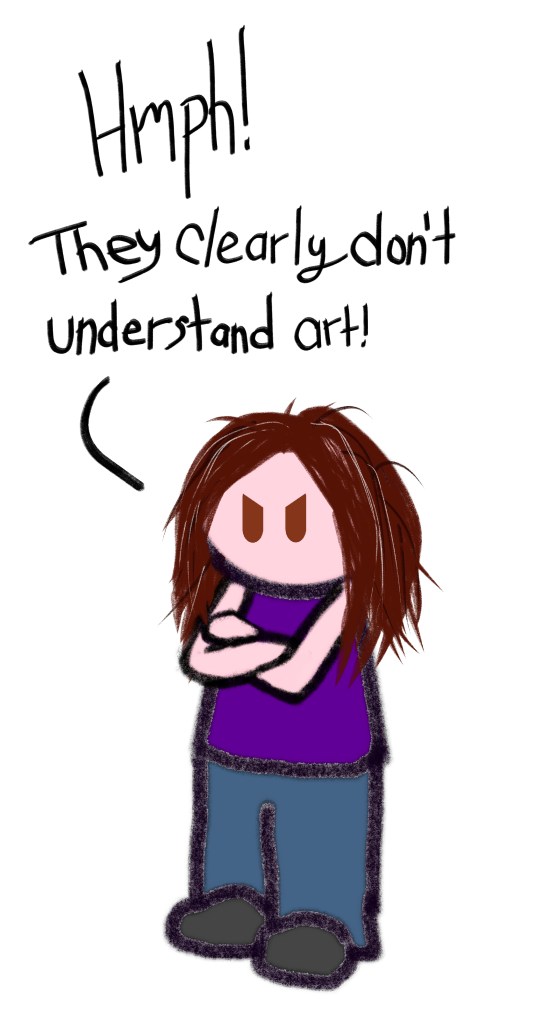
I changed my tune recently, however, when my lovely editor mentioned that we needed to work on better explaining the “rules,” and I was finally confronted with the fact that maybe it was time to kill my darling. In this case, I had to accept that what I thought of as a perfectly acceptable and on-brand element of the novel was clearly not hitting right when other people read it. A good rule of thumb: If some part of your vision isn’t translating well to readers (Even if it makes perfect sense to you!), it shouldn’t make it to the final draft.
The problem many writers run into when encountering other people’s suggestions is that it’s sometimes hard to know when to stand your ground, and when to accept that you need to make changes. Sometimes you get a lot of feedback, and some of it is contradictory. Which do you listen to, if any? If you push back, are you doing so because you are confident in your writing and your concept? Or are you accidentally (or purposefully; no judgement) being a stubborn artiste who refuses to back down?
As with all things creative, there is no single right answer. It’s one of the most frustrating things about being creative sometimes. Other times, it’s a gift. (For example, the fact that good art can be achieved in any number of different ways is freeing for those who want to explore unusual or unexpected artistic avenues.) For me, I have recently discovered that I should probably sit up and pay attention when multiple professionals in the industry are saying the same thing. It’s hard to keep claiming I’m in the right when literally no one agrees with me. Not even my inner goddess!
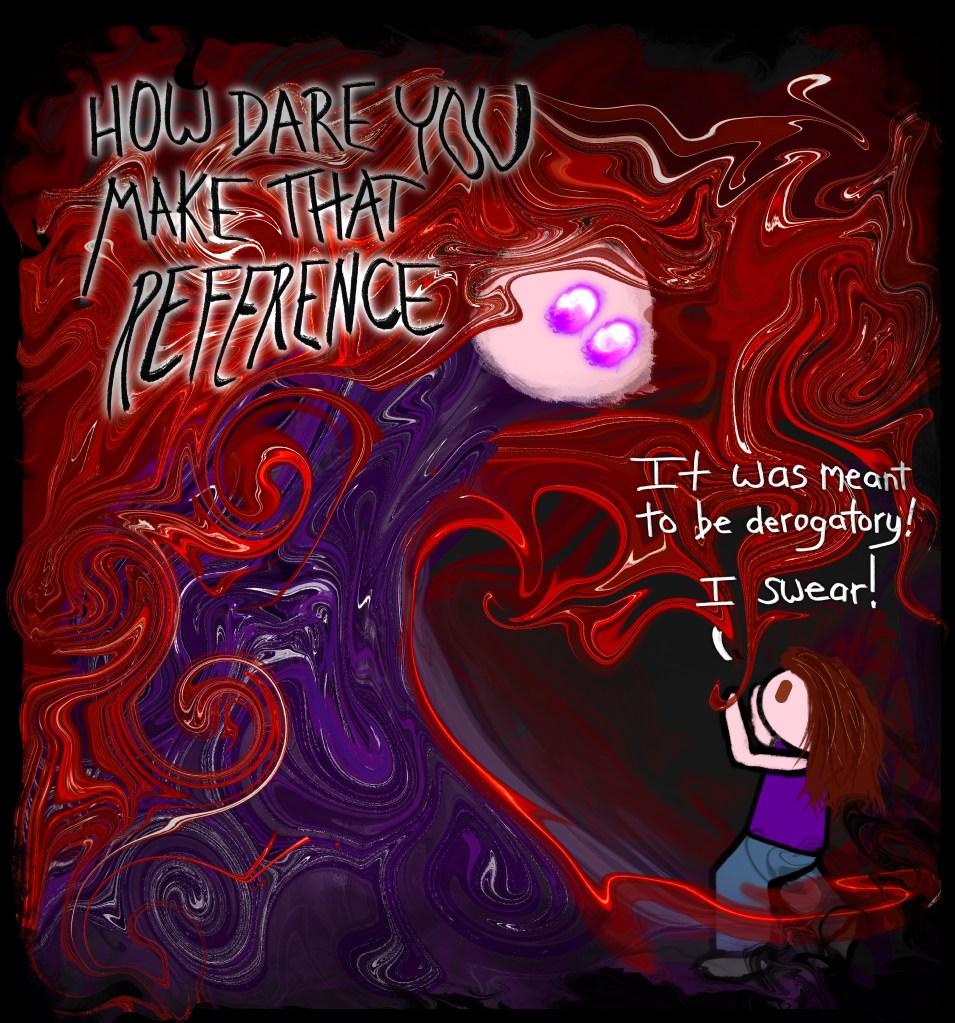
I typically go through some variation of the stages of grief when I have to change something that I was willing to defend for so long, but I have trained myself to get to the Acceptance stage pretty quickly.
In short (too late, I know), you don’t have to listen to everyone’s opinion, but if you get the same advice consistently from people with the credentials to back it up, it may be time to throw in the towel.
I will conclude on an optimistic note, which is unusual for me, but apt in this moment. If you are an aspiring writer, I want you to remember this: Many literary agents rejected my book because of this issue. They didn’t see the manuscript as worth representing because they couldn’t get past this obstacle. I sure did get discouraged! Looking back on it, I’m glad those rejections happened. Because the agent who decided that this plot issue wasn’t a deal-breaker for her is clearly the person I was meant to be working with. Same goes for my editor. My manuscript wound its way through the agencies and publishing companies until it found the right people for its needs. A lot of boilerplate rejections contain language along the lines of “it wasn’t a good fit.” It’s a trite phrase, but I’d like you to consider that it is also 100% truthful. You do not want someone representing you and your work if they didn’t feel that “click” when they read your manuscript.
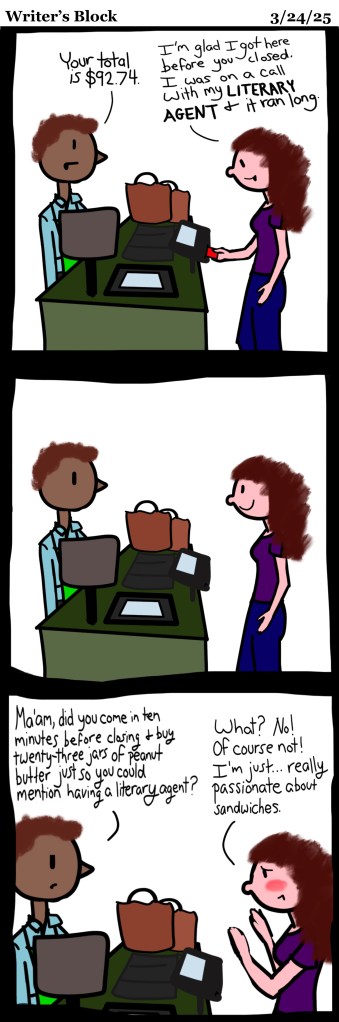
And, yes, I have been finding ways to work “I have an agent and/or editor” into everyday conversation as much as possible. I imagine I’ve become absolutely insufferable, but I just can’t help myself.

 Potato Lady Blogs